Cranberry Chutney

Cranberries are as much a part of a traditional Thanksgiving feast as turkey. While there is no evidence that cranberries were served at the very first Thanksgiving, they were a part of the Native American diet and soon became a staple in the new colonists’ diet as well. “By the late eighteenth century an average midday colonial meal included cranberries in some form — mostly sauced,” stated Lynn Kerrigan on globalgourmet.com.

The round, red fruit is still an important part of the American diet today. Besides being added to toothsome muffins and breads, many people use the juice as a preventative for urinary tract problems, and there is some evidence of antioxidant qualities. The American Cranberry is grown mostly in Wisconsin, but it is also farmed in Massachusetts, and to a lesser extent in New Jersey, Oregon, and Washington.

For many, their expectation of cranberries as a side dish comes from the sauce or jelly in cans. While this is indeed easy, it isn’t what I expect. My mom took a gourmet cooking class in the mid 70s and completely changed our family’s feelings on the ruby sauce. Instead, each year a lovely, multi-flavored relish is presented on our thankful Thursday table.

The recipe my mom learned in that class is below, with a little added tip just from her.

CRANBERRY CHUTNEY
1    pound cranberries
1    c granulated sugar
½    c packed brown sugar
½    c golden raisins
1½   t ground cinnamon
½    t ground ginger
½    t ground cloves
¼    t ground allspice
1    c water
1    c chopped onion
1    c chopped cored pared baking apple
½    c chopped celery

Simmer cranberries, sugars, raisins, spices and 1 cup water uncovered in 1-quart saucepan over medium heat, stirring frequently, until juice is released from berries, about 15 minutes.  Reduce heat; stir in remaining ingredients. Simmer uncovered until thick, about 15 minutes.  Refrigerate covered up to 2 weeks.

One pound frozen cranberries can be substituted for fresh.

(I throw everything into the pot together and simmer until really thick. Sometimes that takes 30-45 minutes.)
The Positive Diet

When looking at diet, it’s easy to focus on the negatives – limit caffeine, avoid sugar, keep away from food sensitivities, but there is so much good to focus on.

Have you ever had one of those meals where you felt energized after you finished eating? That’s something healthy food can do. There’s no reason to feel lethargic and drained after eating when – with a few, healthy decisions – you can instead feel like you can conquer the world.

Fresh fruits and vegetables are important. More and more research shows just how important they can be. In fact, the USDA recommends that half of your plate be filled with fruits and vegetables at every meal.

According to a recent Harvard University Medical Center and Norwich Medical School study, eating citrus may reduce a woman’s risk of stroke. Antioxidants found in fresh produce fight inflammation. Nutritionist Marion Nestle has stated that fiber, which occurs only in plants, helps protect against obesity, heart disease, Type 2 diabetes and even some cancers. Yet, most Americans only consume half of the fiber they should each day. She goes on to say that people who eat plenty of vegetables, fruits, and whole grains develop less chronic disease.

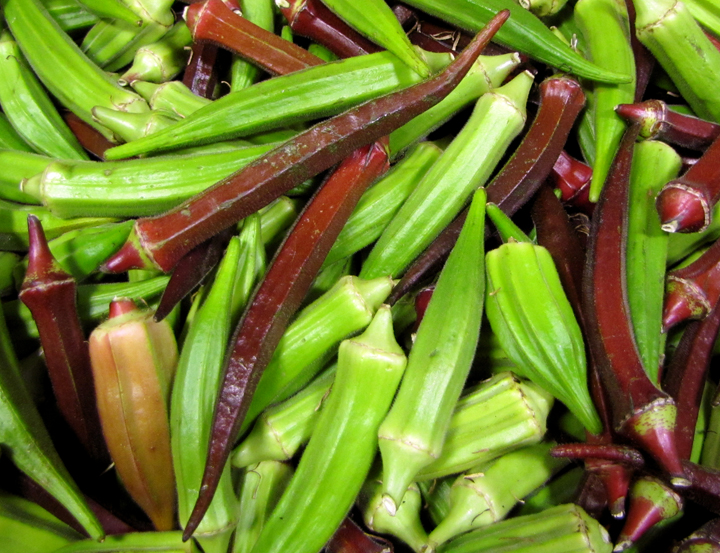
Besides feeling better on the inside, fresh food can also help lighten your mood. Walking into a produce department is a feast for all of the senses. Let the wide variety of colors wash over you. Even the various, variegated greens can be a joy. Savor the sweet smells of the strawberries and mangoes, the earthy aroma of mushrooms, the green sharpness of garlic scapes, and the pungent zip of onions and garlic.

These are experiences everyone can enjoy, even with diet restrictions like gluten-intolerance or diabetes. Each of us should be eating more vegetables, no matter our diets, and choosing new varieties to try can be a culinary adventure.

Julia Child said, “Moderation. Small helpings. Sample a little bit of everything. These are the secrets of happiness and good health.” No matter what your diet restrictions may be, keep this in mind as you fashion your meals. Focus on healthy fruits and vegetables. Love your diet, no matter what. The abundance of tasty, wholesome food around you is a blessing that can bring you satisfaction, and hopefully make you feel really good, too.

*originally ran in the Northern Gold Country Parents’ Resource Guide

Pesticides in Food

Pesticides – they’re everywhere. From the weed killer sprayed on lawns to the insecticides sprayed on conventional produce, the exposure can be extreme.

According to The Organic Center Critical Issue Report, “The average child in America is exposed to 10 to 13 pesticides daily in their food and drinking water.” Another study from The Environmental Working Group found that an average of 200 industrial chemicals and pollutants were found in the umbilical cord blood of 10 babies born in the U.S. in 2004, and a Mercer Island Children’s Study found that the urine and saliva of 21 school-age children tested positive for insecticide residues.

Though these studies are concerning, there are positive things that can be done. Both the Mercer Island and the Organic Center studies found that once children switched to an organic diet, within fewer than five days, no residue was detected. Dr. Alex Lu of the Mercer study found that, “the transformation is extremely rapid … Once you switch from conventional food to organic, the pesticides … in the urine disappear.”

There are many things you can do to benefit of your child’s diet. Even if you cannot afford to go entirely organic, there are some foods to make sure to avoid. The top ten conventional produce with the most pesticide residue is peaches, apples, bell peppers, celery, nectarines, strawberries, cherries, kale, lettuce, and imported grapes.

Even though rinsing helps, it does not eliminate pesticides. Peeling is pretty effective, but then you lose nutrients found in the skin. To avoid as many pesticides as possible, eat a varied diet, rinse all produce, and buy organic when you can.

Remember – it’s never too late to change your eating habits. Even if you’ve only eaten conventional produce, don’t give up hope for a healthier diet. It’s an organic apple away.

Healthy School Lunches

While Jamie Oliver may have brought the issues with school lunches into the American consciousness, parents can be in even more control of their children’s lunches by packing those boxes themselves.

Children who eat a healthy diet have been found to concentrate more and perform better in school. A nutritious lunch is one in which fiber, carbohydrates, proteins, and fats are all represented. Even though incorporating vegetables into meals can be the most challenging aspect, integrating them into something like a tuna salad sandwich with finely chopped red peppers can be quite successful.

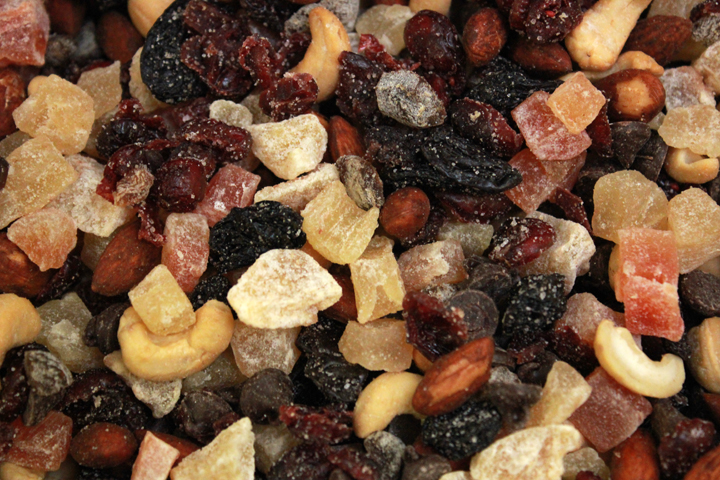
Keep sandwiches appealing by using different breads, like pitas, tortillas, and foccacia. Instead of using processed lunch meats, use leftover chicken. Keep things interesting by sending hot soup or a cold fruit smoothie in a thermos one day and then thinly sliced veggies with hummus for dipping the next. Keep it simple by focusing on the three main requirements for a packed lunch – a main dish, a vegetable, and something sweet (like yogurt or fruit). Keep it fun by focusing on the cute factor – cut sandwiches into fourths, make pin wheel wraps, slice up an apple and rub it with lemon juice to keep it from browning, or use skewers (with rounded edges) for meats, cheeses, and veggies. Economize by creating your own trail mix that your child can snack on at their midmorning break. Remember that a lot of extra calories are consumed in drinks, so focus on water or milk. If your child still wants the occasional juice box, make sure it’s 100% juice, and stay away from soda and punch.

A good rule of thumb for healthy lunch box ideas is to consider what your grandmother, or even your great-grandmother, would have packed for her children. Steer clear of processed foods and high-sugar snacks. With a little bit of planning, preparation, and creativity, your children can have lunches that will be interesting, fun, and most importantly, nourishing.

Harvesting Sangio

The sun gifts us with the first light of day.

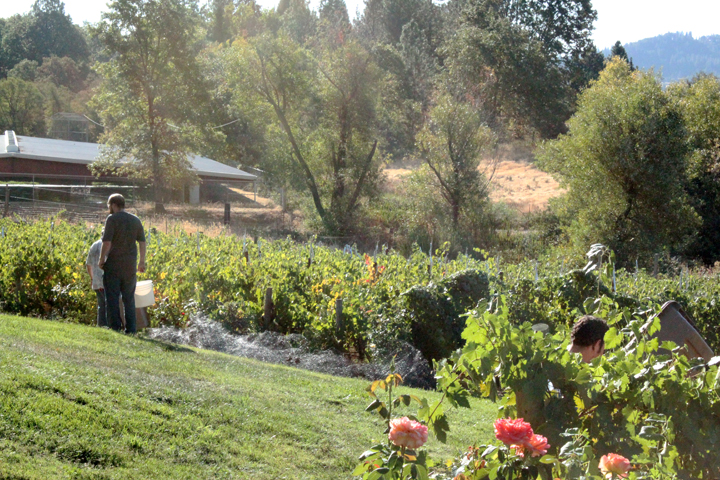
As it climbs higher in the sky, I will experience a slight ache in my back, an amazing sense of satisfaction, and a very minor buzzing in my head – the ache from harvesting grapes grown in the traditional, Italian way (tight rows and low-hanging fruit), the satisfaction from working as hard and as quickly as possible among the vines, and the buzz from the amazing champagne brunch that is our payment for a job well done.

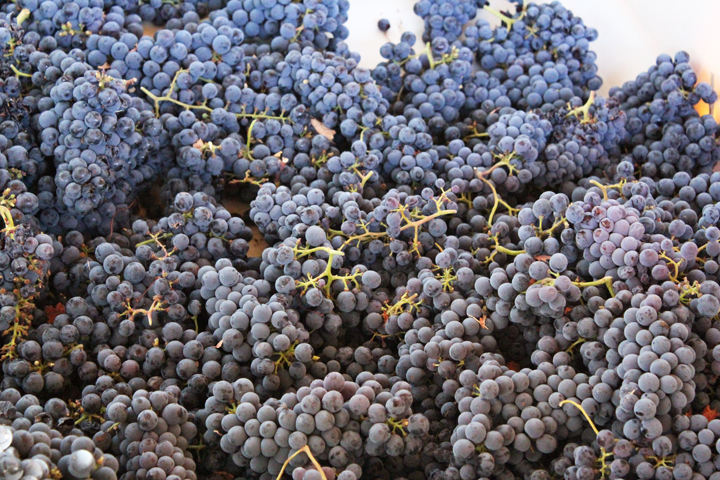
For the past three seasons, my Charles and I have helped in Montoliva’s harvest of its estate-grown Sangiovese grapes. Each year, it’s gotten easier. In part, this is because we’re getting a bit better, but more of the success has come from nicer weather.

The harvest in 2010 was on Halloween. It was cold and stormy. It had rained the night before, so even though I was wearing a sweater underneath my raincoat, I was drenched and shivering within five minutes. 2011 was warmer and more pleasant, though there had been some moisture, so we dealt with a small amount of rot. Plus, I forgot to bring our gloves, so my Charles and I both managed to nick ourselves with our clippers. 2012 was hot and dry. The bunches were big and beautiful and dusty – no moisture, and therefore no rot, to be found.

This year’s crew was also outstanding. For the first time, the entire estate was harvested on the same day, and not only that, it was harvested in a few hours. Everyone kicked some major ass and took some major names. My Charles and I were home by noon, feeling good, though tired, and cheered by a beautiful, warm morning spent out amongst the vines.

2012 is going to be an amazing year for California wines.

Nika the Breadnik

There are few things homier than the smell of baking bread. Nika Franchi, also known as Breadnik, seems to carry a whiff of fresh bread around her like a peaceful aura.

“There’s something very nurturing and something very mothering about working with dough,” Franchi said.

That care and attention comes out in her work. Her bread became an instant hit at BriarPatch, but she wasn’t always a baker. Her professional life began as a classically trained musician. After that, she was a globetrotting translator.

“Four years ago, I didn’t know anything – the word yeast would throw me into a panic,” she laughed.

One day, she decided to try her hand at bread making. The first attempt was successful, as was a second, and then she failed. Franchi didn’t let that failure stop her. She kept working at it until she figured out the process and was happy with her creations.

Soon after, fate stepped in. She brought a loaf of her bread to her local farmers market in Ohio to give to a friend. The friend didn’t meet her, so Franchi decided to leave it with the market manager. The manager tried it and wanted more, and Breadnik was born.

When the economy turned south, Franchi became a full time bread baker, selling 150 loaves a week as well as selling soups and preserved foods.

As popular as her bread was in Ohio, her Nevada County friends said, “We want you here.” Originally from Moscow, Russia, Franchi had lived in many places, but Nevada County was home. She, her husband, and her youngest daughter decided to pack up their equipment and move. They now live outside of Grass Valley.

Currently, Breadnik produces around 150 loaves a week. All of the recipes are Franchi’s creations, based on the memories of breads consumed during vacations in Italy. The business is expanding sustainably, though that requires her to work a baker’s schedule – six days a week. “I’m always either mixing or baking,” she said.

Living locally and sustainably is one of Franchi’s main focuses. She’s working with local farmers and selling to the local markets. She’s also using available ingredients to create a bread of the month as well as her staple loaves, including the low gluten Russian Coriander Rye.

“With my bread, I reflect the … seasons,” she explained. “It’s a lot more meaningful to do something that’s local. It’s a lot better for my soul, too.”

More information on Breadnik can be found at her blog, her Facebook page, or by calling (530) 913-9673.

Freezing Meals

When planning meals in advance, your freezer becomes your best friend. Foods like casseroles, lasagnas, and soups can be prepared ahead of time, frozen, and then moved to the refrigerator the night before the dish will be reheated.

When prepping foods for the freezer, where do you start? Airtight seals are a must in order to prevent freezer burn. Casserole dishes that come with seal-able lids are a good choice as well as containers with lids that can be pushed down to squeeze out the extra air. Freezer bags are also a great option – just make sure to empty it of as much air as possible before sealing.

Don’t feel limited to dinner foods when planning meals. Cooked pancakes freeze nicely and are a snap to reheat. Cook home style potatoes or hash browns and freeze them for a quick side dish for breakfast or even brinner – breakfast for dinner.

When getting soup ready to be set back, cook, then let cool. Pour into airtight containers, leaving an inch or so for expansion. To prevent freezer burn, place a sheet of plastic wrap on top of the soup before putting on the lid.

Meat freezes wonderfully as does bread and rice. When contemplating fruits and vegetables for freezer habitation, think about the water content. If they’re watery, like melons, lettuce, or cucumbers, they probably won’t freeze well. Other types of produce will soften, so it’s best to use them in cooked foods or smoothies.

Speaking of smoothies, those brown bananas that usually go to the compost heap make wonderful drinks. Cut them into slices and freeze in bags. They’re a great base for other fruits, juice, and yogurt, and they’ll make your smoothie smoother and sweeter without needing to add anything extra, like honey.

Organizing foods by preparing them ahead of time will save you last minute trips to the grocery store as well as meal time stress. A little planning and freezer prep will help make your kitchen a peaceful oasis.

Quick freezer use-by dates for quality:
•    Bread – use within a month.
•    Fruits and Vegetables – three to six months
•    Soups – three to six months
•    Casseroles – use within a month

Freezer Tomato Sauce

1/2 cup extra-virgin olive oil
1 small organic yellow onion, finely chopped
3 organic garlic cloves, finely chopped
2 tsp sea salt
1/2 tsp freshly ground black pepper
2 tsp red pepper flakes
2 tsp dried oregano
2 dried bay leaves
5 leaves fresh organic basil, chiffonade or torn
2 (32-ounce) cans or about 15 fresh and blanched, organic crushed roma tomatoes
Additional salt & pepper to taste
1/2 to 3/4 cup chicken or vegetable stock

In large heavy pot, heat the olive oil over medium-high heat. Add the onion. Sauté for about 5 minutes, or until the onion is slightly translucent. Add the garlic, salt, and pepper and sauté another 3 to 5 minutes or until the onion is translucent and the veggies are tender, being careful not to brown the garlic.

Add in the tomatoes, bay leaves, basil, oregano, and red pepper flakes. Simmer, uncovered, over a low heat until the sauce thickens, about 1 to 2 hours, checking the seasonings occasionally. When the sauce has thickened, remove from heat and let cool slightly. Remove the bay leaves. Working in batches, puree the sauce in a food processor or blender until smooth.
Pour into airtight containers and freeze for up to one month or refrigerate for up to one week.

When ready to use:
Allow the sauce to defrost overnight in the refrigerator. Put sauce in a large pot over medium heat. Add the stock to thin the sauce out to the desired consistency. Taste and add more salt and pepper if necessary. Heat through and serve with your favorite pasta.

Beets

I may not enjoy the taste, but beets sure are pretty.

I Can Never Get Enough Tomatoes

The intense heat of summer may feel overwhelming at times, but without it, those luscious, red orbs of tomato-y goodness would not exist.

Of course, even one plant can create a ton of fruit, and man can only eat so many tomato sandwiches. This recipe is sure to jump-start your cooking creativity.

Rustic, Creamy Tomato Sauce

Serves 4-6

2 pounds slicing tomatoes
2 jalapeños
2 tablespoons olive oil
1 onion, diced
3 cloves garlic, minced
1 cup chicken stock
2 teaspoons salt
1/4 cup crème fraiche

Preheat broiler. Set rack about 5 to 6 inches from heat. Cut tomatoes and jalapenos in half. Place them on a baking pan. Broil on both sides until tomatoes are lightly charred and skins are wrinkled and peeling off, approximately 5 to 7 minutes per side. Use tongs to rotate. Jalapenos will blacken and brown as well, and shrink down.

Let cool, then peel and coarsely chop tomatoes, saving juice. Remove seeds and stem, and coarsely chop the jalapenos and set aside with tomatoes.

While tomatoes and jalapenos are cooling, sauté onion in 1 tablespoon oil in a sauce pan or cast iron skillet until very soft and lightly browned. Add garlic and cook for another minute Add onion-garlic mixture to tomato-jalapeno mixture along with salt, and puree well in a food processor or blender.

In same pan, heat 1 more tablespoon oil to very hot. Add puree to pan (it should sizzle and bubble) and cook for about 5 minutes. Stir continuously. Warning: it may splatter as well. Stir in stock and return to a boil, then lower heat and simmer for about 15 minutes, uncovered or until sauce begins to thicken.

Remove from heat and stir in crème fraiche. Season with more salt if necessary.

Amazing served over polenta.

Equal Exchange

A taste of what will be in the next BriarPatch Vine Newsletter:

Cooperative and Fair Trade are integrally mixed in the philosophy of Equal Exchange.

A worker-owned co-op, Equal Exchange is on the forefront of fighting to keep Fair Trade Certification dedicated to the living-wage of small farmers, not the boon of plantations. The company feels that Fair Trade USA has diluted the original intent of the certification to extend to large scale plantations.

“In the developing world, co-op production is focused on the 99 percent. Plantations are the one percent,” said Rodney North, worker-owner, former board director, and The Answer Man at Equal Exchange.

“Fair Trade and farmer co-ops are an opportunity to shift the economic power back to the community,” he said.

While their current battle is to keep Fair Trade for small farmers, it has always been a founding principle. Equal Exchange helped introduce Fair Trade coffees to grocery stores in the United States and was the first U.S. company to use Fair Trade Certified sugar as an ingredient as well as to offer it as a stand-alone product.

They also have a direct relationship with the farmer co-ops from whom they buy their coffee, tea, cocoa, chocolate, olive oil, California almonds, and bananas. In fact, everyone that is employed by Equal Exchange gets to visit a farmer co-op.

“It’s very powerful,” said Kevin Hollender, retail representative from Equal Exchange.

“It brings what we’re doing home.”

Kevin also said that the direct relationship helps when times are tough, when things need to be addressed, like the threat from Fair Trade USA. Then, not only can the worker co-op organize, so too can the farmer co-ops.

The value of fairness to farmers and dedication to that practice, as well as building a closer connection with them, was the motivating vision of Equal Exchange’s founders.

Rink Dickinson, Jonathan Rosenthal, and Michael Rozyne met while working in management at a food co-op in New England. They wanted to transform the relationship between food producers and the public, change the food world.

Twenty years later, Equal Exchange is the world’s largest worker-owned coffee roaster, a $50 million enterprise. They employ 120 full-time people, 103 of whom are members. Employees must work one year before they become eligible to join. They’ve won WorldBlu’s World’s Most Democratic Workplace a few times and won “Best Support of the Fair Trade Movement” this year.

“From an unlikely beginning, we’ve now grown into a sizable organization,” said Rodney.

  • Recent Posts

  • Archives

  • Categories

  • Meta